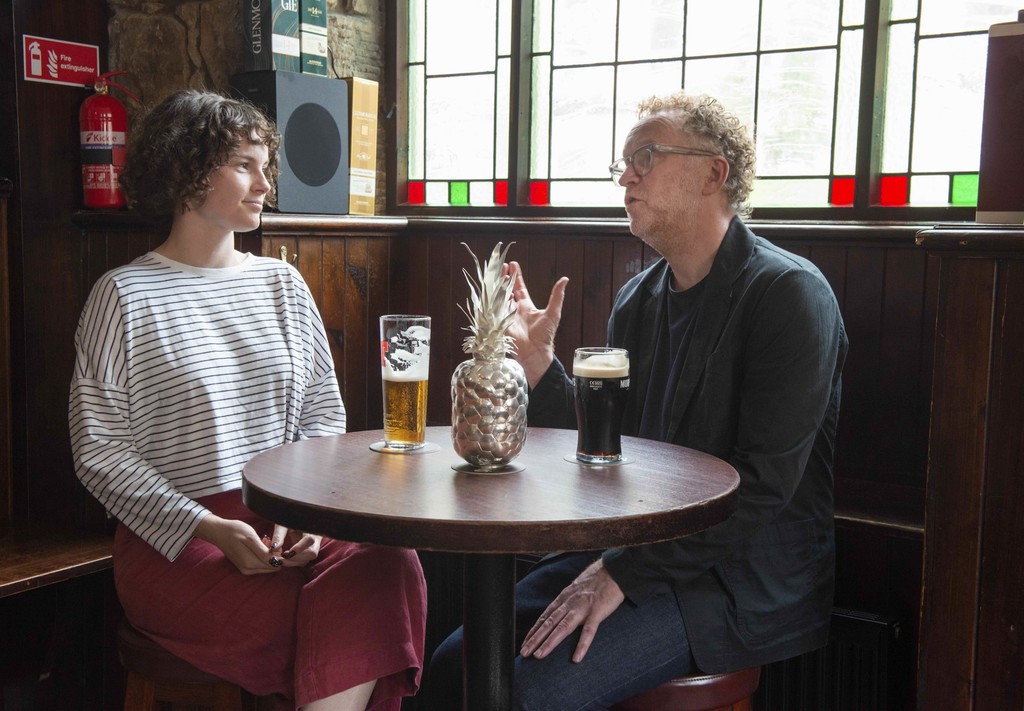
On 7 August 2026, marking the exact anniversary of the ‘Battle of Calder Street’, Govanhill Baths Community Trust will launch The Pineapple Trophy: a new civic artwork and award created by internationally renowned Glasgow artist Nathan Coley. The trophy - a pineapple - is cast in sterling…
On 7 August 2026, marking the exact anniversary of the ‘Battle of Calder Street’, Govanhill Baths Community Trust will launch The Pineapple Trophy: a new civic artwork and award created by internationally renowned Glasgow artist Nathan Coley. The trophy - a pineapple - is cast in sterling silver, rooted in one of the most extraordinary stories in Scottish protest history and has been twenty-five years in the making.
On 7 August 2001, sheriff officers ended the 140-day community protest at Govanhill Baths in Glasgow’s south-side, the longest occupation of a civic building in British history. Accompanied by 250 police officers, mounted horses, and a helicopter, they removed protesters from the building and sealed it with steel shutters. Around 1,000 local people gathered in Calder Street. As the confrontation unfolded, residents emerged from nearby homes and businesses and began defending the building and the protest. Govanhill's streets were, as they are today, lined with independent fruit shops. Among the objects ‘allegedly’ hurled toward the police line was a pineapple.
The incident quickly entered local legend. A year later, reports emerged that a police officer was pursuing a legal claim after allegedly being struck by the airborne fruit. T-shirts appeared across Govanhill declaring "It wasnae me!". Locals joked that it was fortunate the object had been a fresh pineapple rather than tinned, which would have done considerably more damage. The pineapple became a symbol of resistance, defiance, and the fierce attachment to shared civic life that had driven this community to occupy their pool for nearly five months.
Twenty-five years after that pineapple flew across Calder Street, the object has returned as a civic artwork honouring those who continue to defend, imagine, and reshape public life together. The Pineapple Trophy will be awarded annually by a small, specially convened committee. It recognises work that contributes meaningfully to activism, public culture, community solidarity, or civic transformation in Govanhill and beyond.
Fatima Uygun, CEO of GBCT and original Save Our Pool campaigner commented: "The Battle of Calder Street became one of the most important moments of community resistance in modern Glasgow history. The Pineapple Trophy honours that legacy. In a time of deep inequality and growing pressure on public life, we hope this award keeps alive the radical belief that ordinary people, acting together, can shape history."
Nathan Coley said: “I learned to swim at Govanhill Baths so it’s a place that remains close to my heart. It was such a vital resource for the local area, and it’s great to be back here, some 30 years later, making work that speaks about community, society and standing up for your neighbours. This trophy will act as a tribute to those communities, grassroots organisations and individuals who continue to make Glasgow a place of spirited protest, resistance and celebration.”
He continued: “It was so impressive to me - how my local community had launched this continuous protest, how it spread through the neighbourhood, how everyone came together to protect this public resource. I’ve heard so many people tell the pineapple story over the years. It became this touch of humour in an otherwise violent and obstructive day. Some people still say they saw that pineapple in the air, though no-one ever says who threw it.”
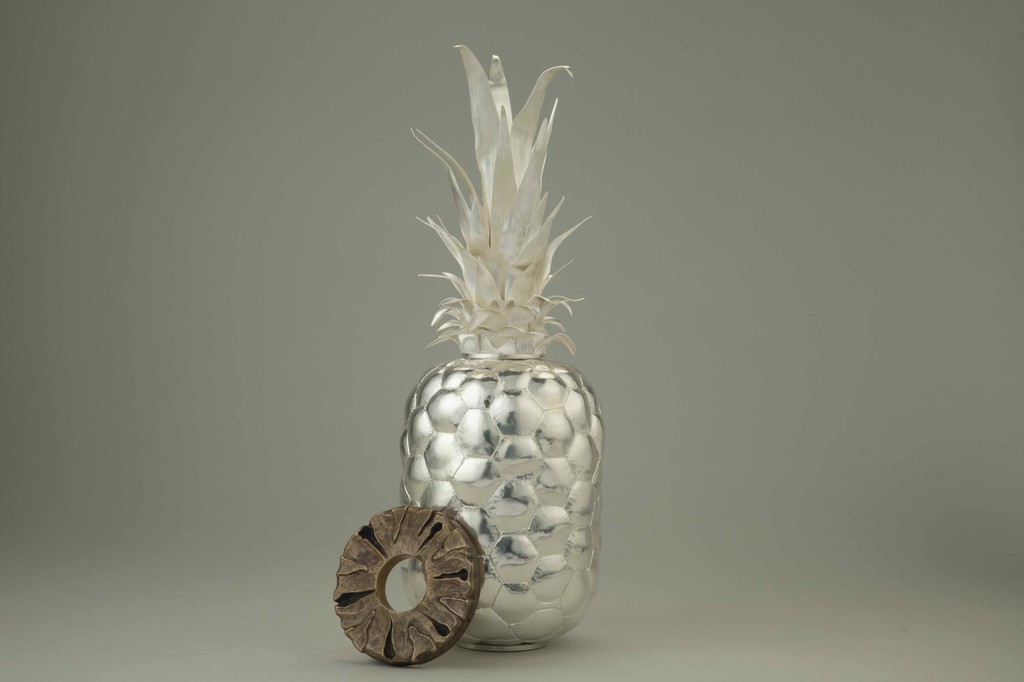
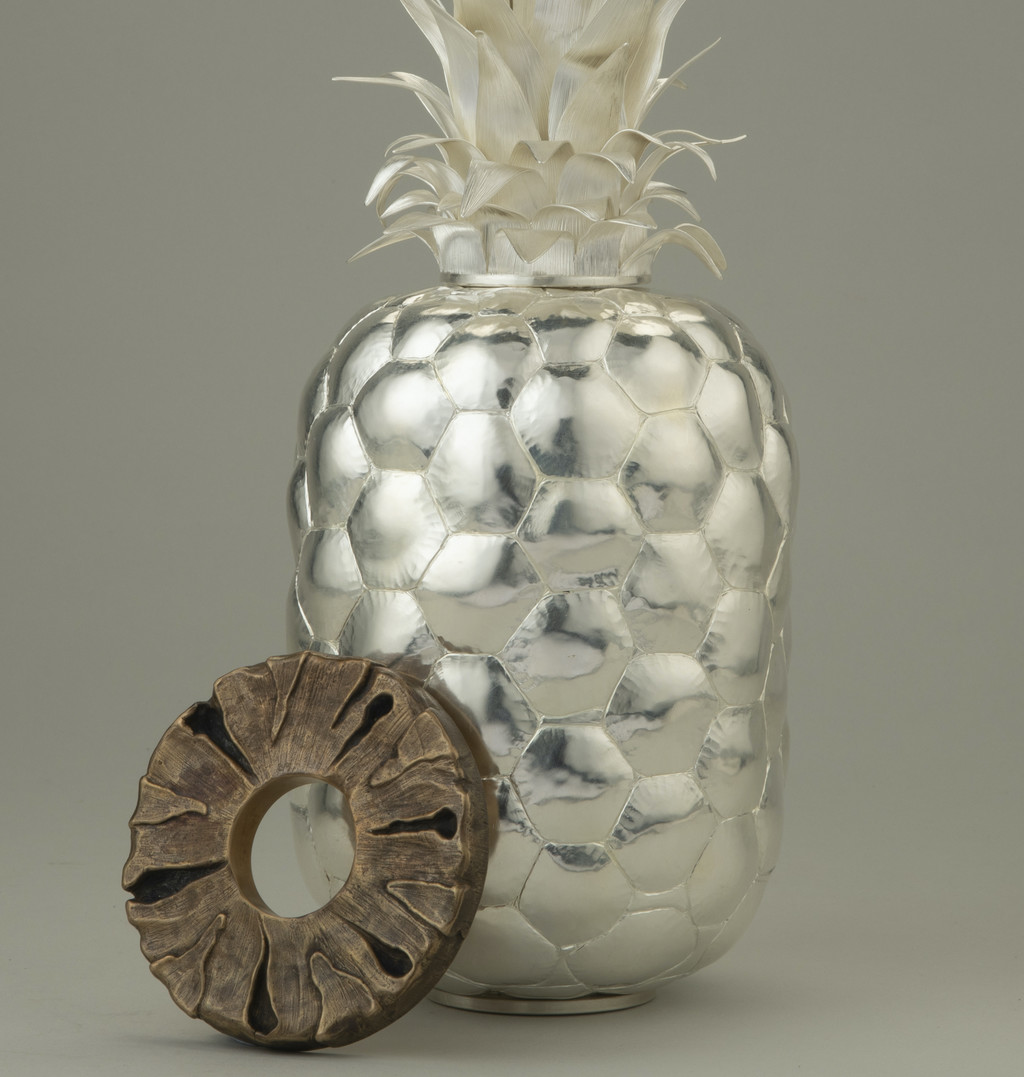
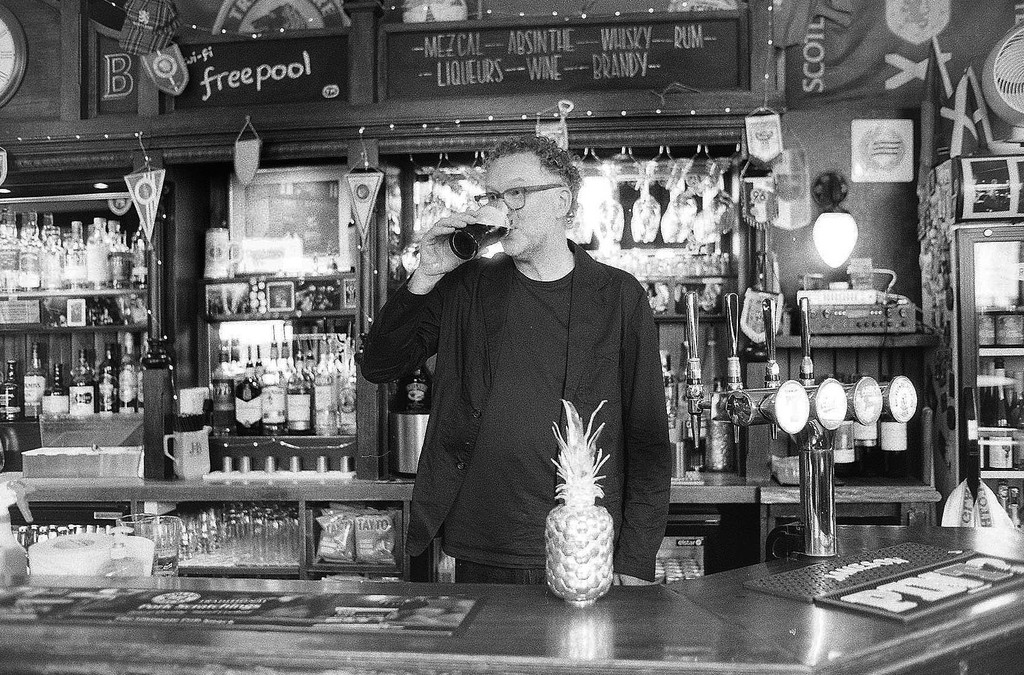
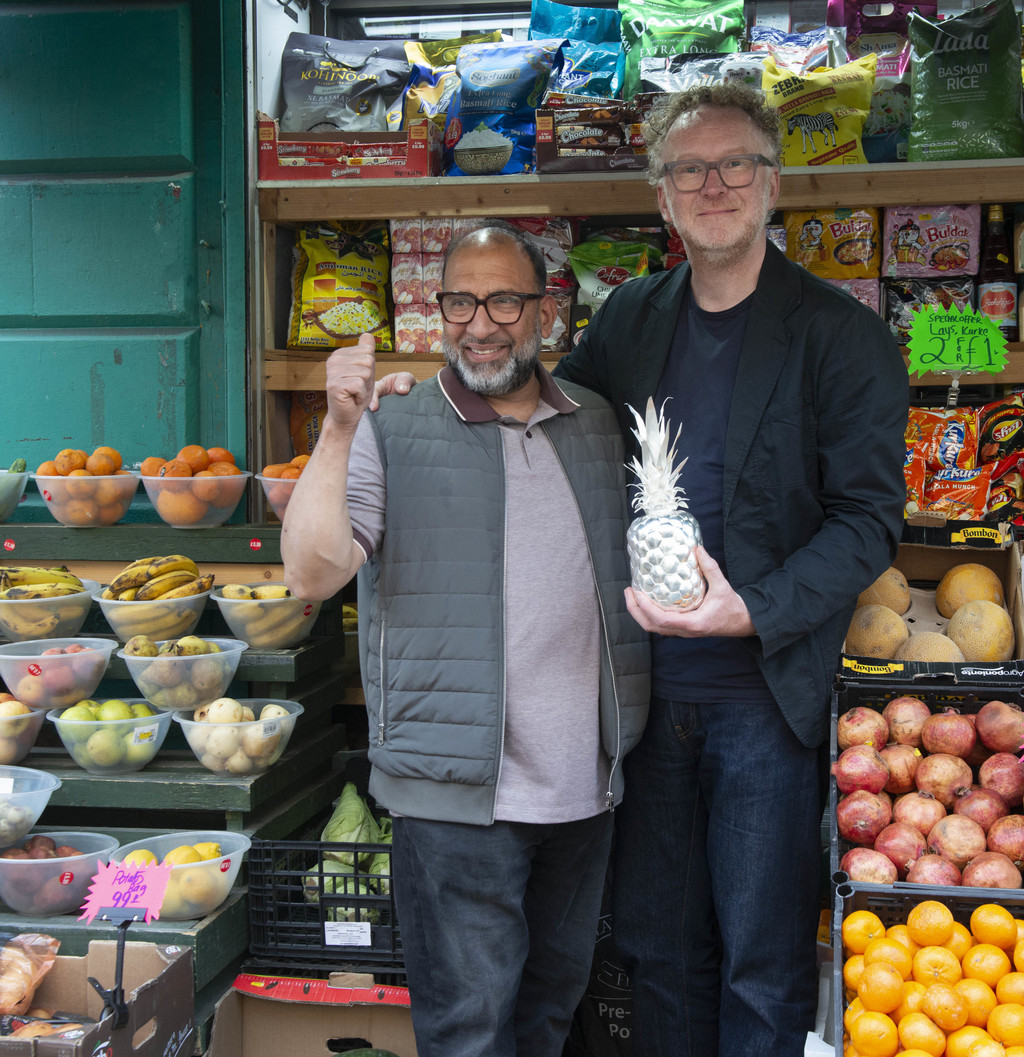
The trophy is a unique, hand-crafted sterling silver sculpture of a pineapple in the tradition of grand decorative silversmithing, the kind of luminous, ceremonial object that would not look out of place on the dining table of an 18th-century industrialist or aristocrat. This is deliberate. The pineapple's form is idealised and refined. Its surface has been crafted with extraordinary precision and its leaves individually pierced and engraved. It is emphatically not a replica of a supermarket fruit, it is a sculpture in a lineage of prestige objects, made by hand using techniques that have changed little in centuries. That it now belongs to a grassroots community organisation in one of Glasgow's most diverse neighbourhoods and will be awarded annually to activists and community builders, is precisely the point.
The main body was hammer-raised in two halves by Hamish Dobbie (also a graduate of Glasgow School of Art) and joined by silver soldering. The hollow form was filled with pitch, a traditional mixture of tar, rosin, and plaster, which was worked with small steel punches to produce the surface texture and detail. Each leaf was individually pierced from silver sheet, hammered to shape, chased and engraved, before being layered onto multiple rings around a central fitting designed to allow for cleaning, polishing, and repair. The result is an object that is simultaneously ceremonial and strange: luminous, surprisingly heavy, and entirely singular. It has taken five years to make.
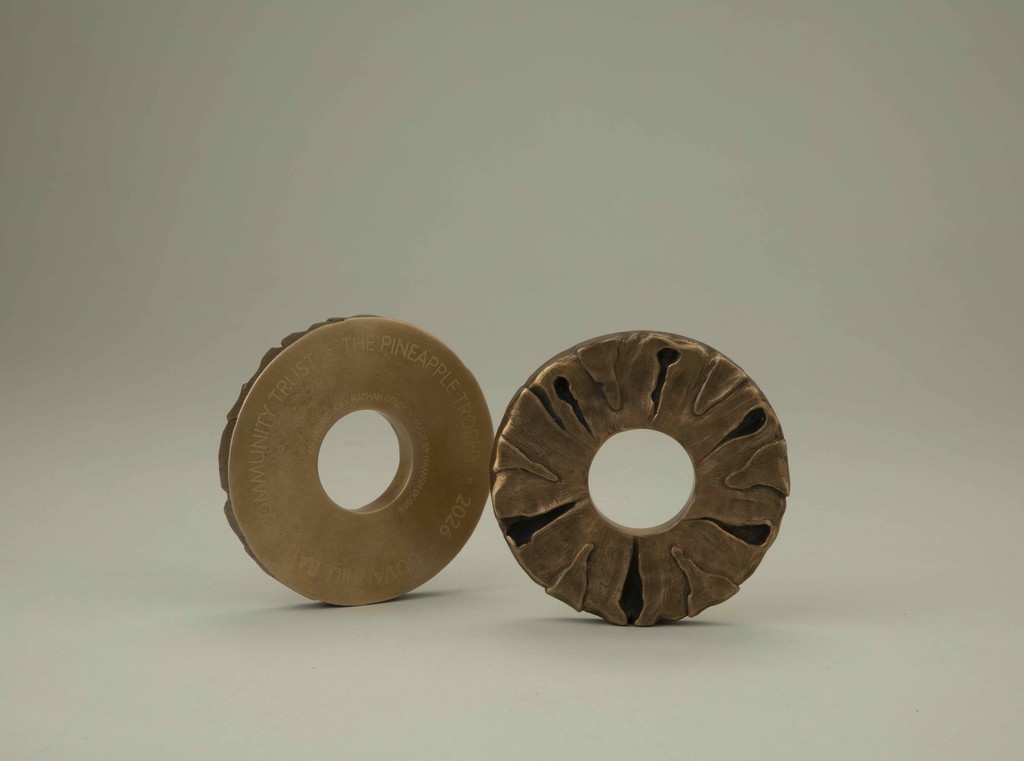
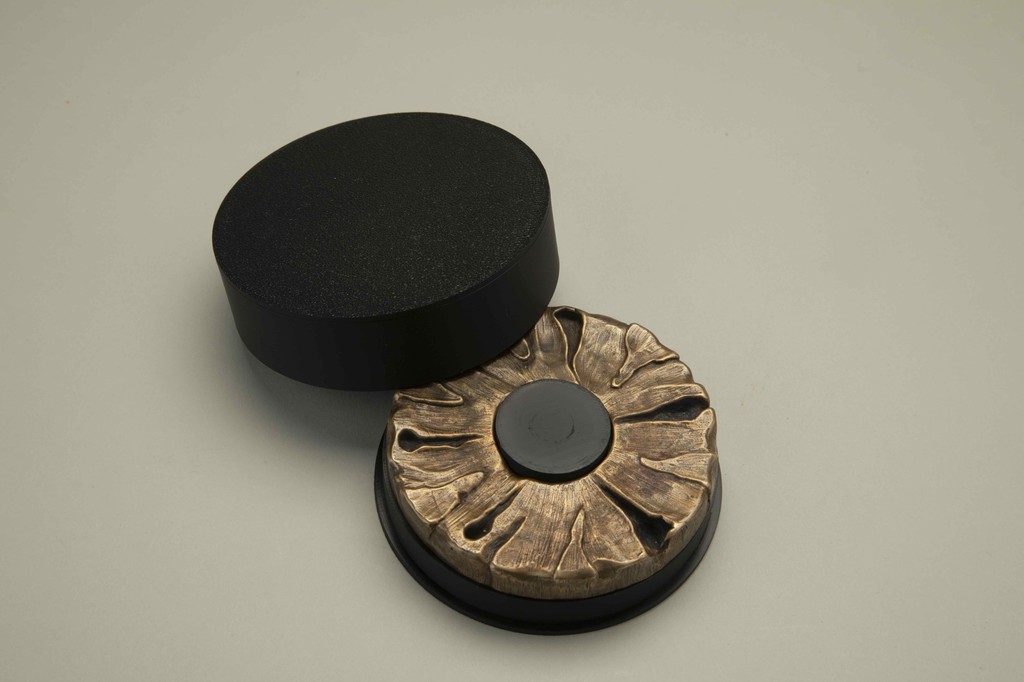
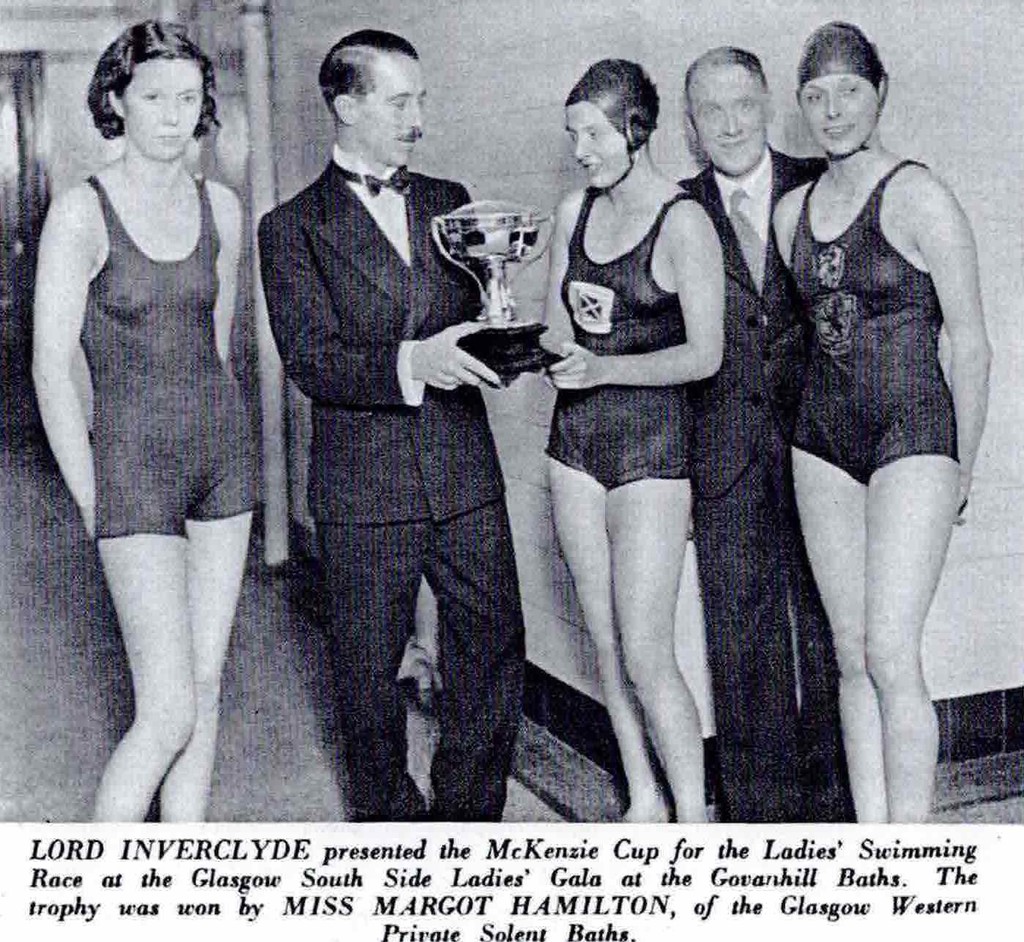
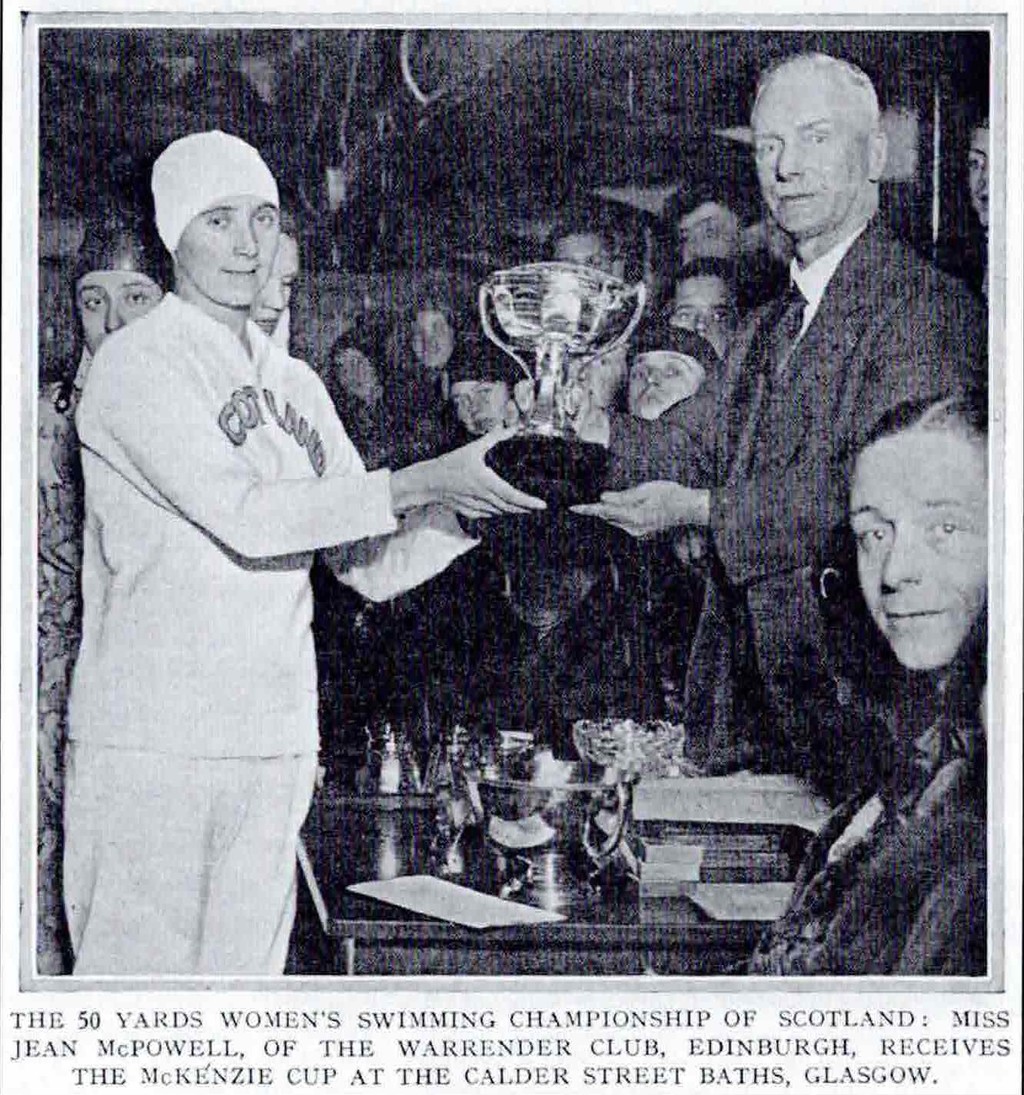
Alongside the trophy, which will be held by GBCT and displayed at each annual ceremony, every recipient will also receive one of a limited series of specially commissioned bronze medals to keep permanently. Each medal takes the form of a ring of tinned pineapple: 80 millimetres in diameter, 10 millimetres thick, with surfaces textured to replicate pineapple flesh and edges highly polished. The master was hand-carved in wax and cast in bronze using traditional processes. Twenty have been produced as part of the wider artwork, which will allow the Pineapple Trophy to continue for the next two decades. The selection process is designed to build civic connection as each recipient joins the committee that chooses the following year's award, ensuring the trophy remains rooted in the communities it serves.
The choice of object carries a symbolic charge that extends well beyond Calder Street. In 18th-century Britain, pineapples were extraordinarily rare luxury goods, imported through the networks of colonial trade, worth more than gold, and displayed by the wealthy as objects of prestige and power. Architectural pineapples still crown the gates of aristocratic estates across the country as monuments to that imperial symbolism.
The appearance of a pineapple as a working-class weapon of protest on a Glasgow street performs a radical inversion of that history. What once signified empire and exclusion was returned, briefly, to the people. That the incident passed into local folklore, celebrated rather than forgotten, the subject of T-shirts and jokes rather than shame, speaks to something important about what it came to represent: humour in the face of power, courage in defence of the commons, and a community refusing to disappear quietly.